
Circular Financial Identity, the missing piece for financial inclusion
In ASEANForward, Eelee Lua explains how a financial identity that grows with its owner can open formal finance to people who have none.
Diagrams
The types of Financial Identity
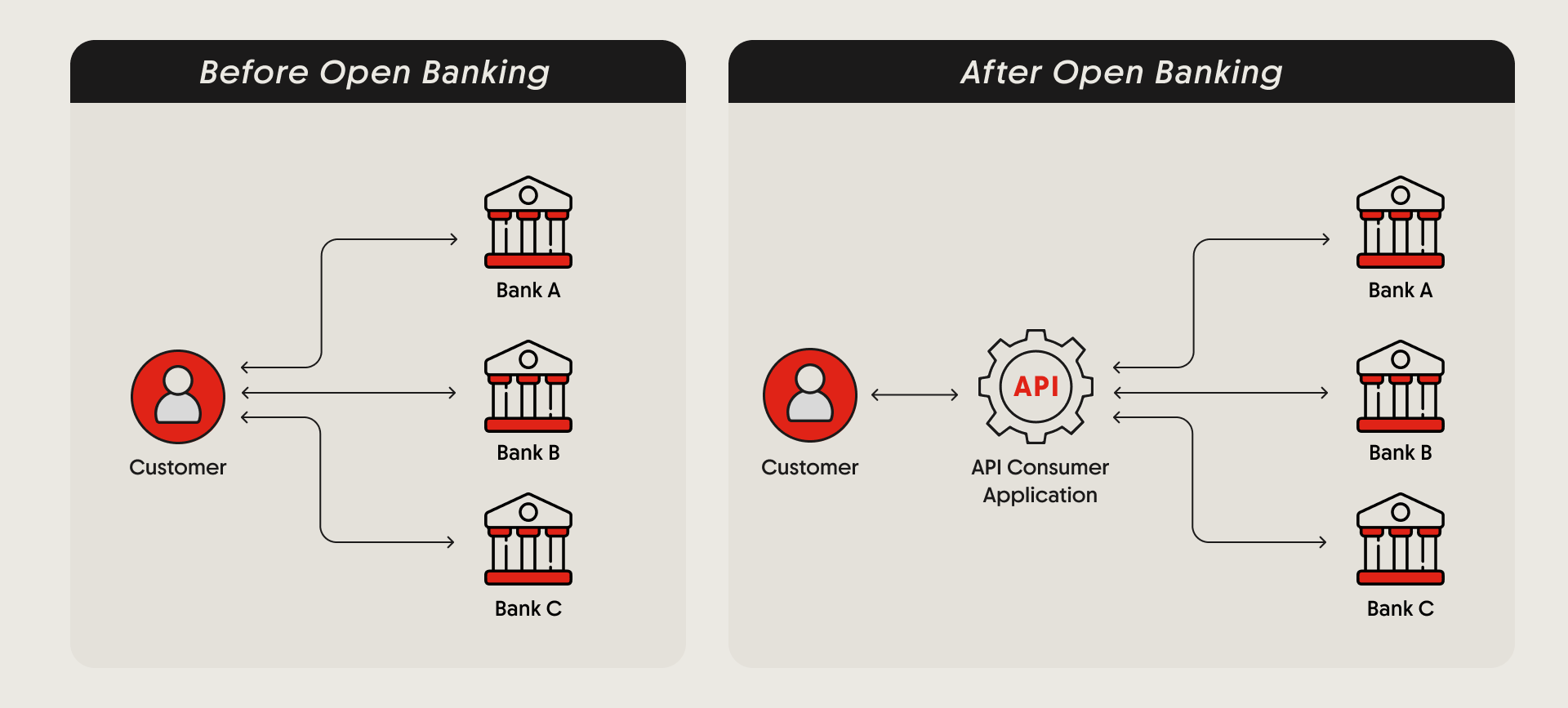
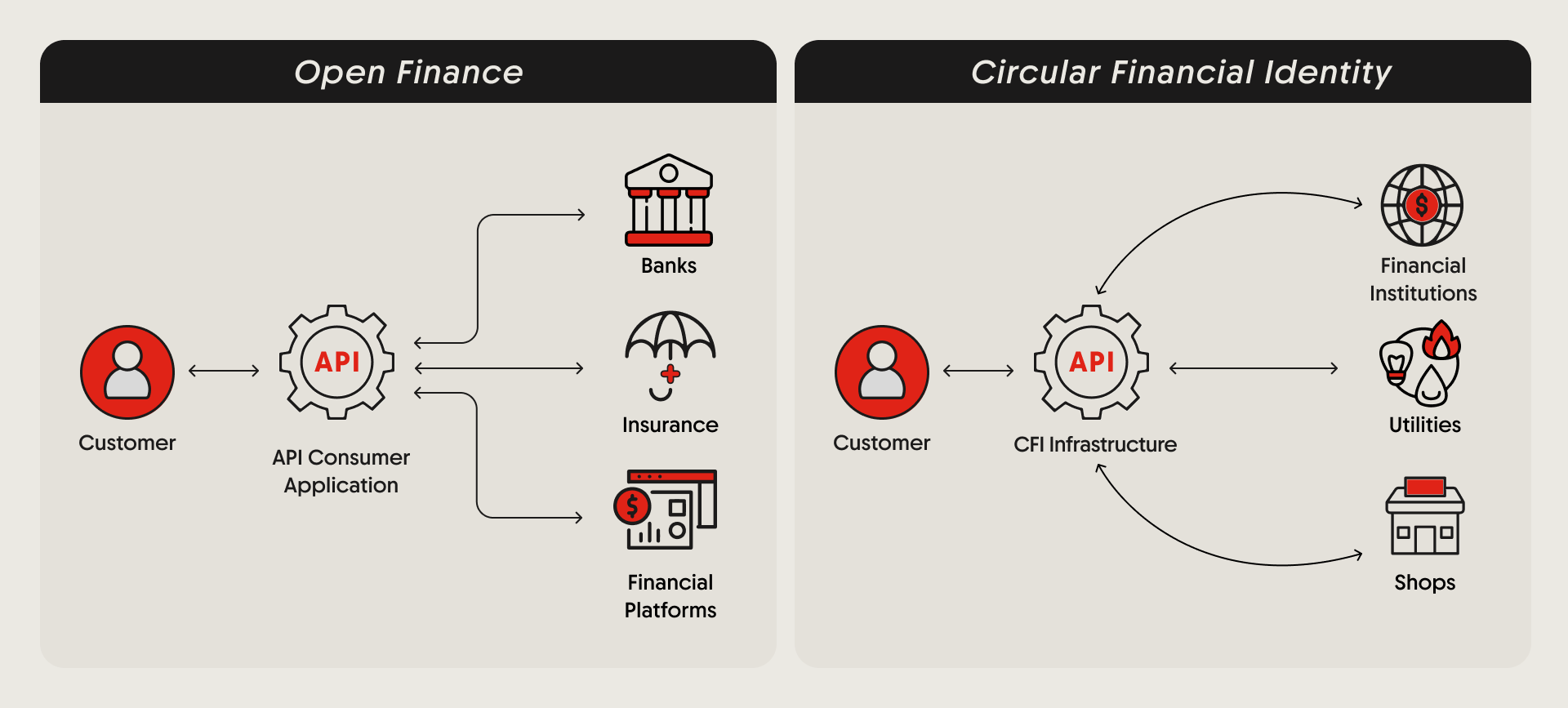
The gap
About 1.4 billion people still lack access to formal financial services. Traditional systems often exclude low-income individuals, women, rural communities and refugees.
An identity that grows
Circular Financial Identity does not rely on static information held in a central database. It is dynamic, decentralised and interoperable.
Under-documented individuals and small businesses build their identity over time. It captures their digital financial footprint as they earn, spend, borrow, save, invest and lend.
The article follows Amina, who wants to open a tailoring shop. She has no formal account, limited financial literacy and no credit history. Through a decentralised KYC process she gains a financial identity, and her record lets institutions offer her products on a risk-based approach.
Privacy by design
The approach relies on blockchain, artificial intelligence and data encryption. Zero-knowledge proofs let data be verified without revealing it.
Digital literacy remains a condition. People need the skills to use the system, so financial education and digital literacy programmes have to come with it.